
From Indian Villages to Your Plate: How Gramaahar Sources Organic Pulses
At Gramaahar, pulses are more than everyday ingredients they are the foundation of traditional Indian nutrition. We source our organic pulses directly from trusted small and marginal farmers across rural India, focusing on unpolished, naturally grown dals that are free from synthetic pesticides and chemical fertilisers.
These village-grown pulses not only support sustainable agriculture and fair farmer livelihoods but also bring rich protein, fibre, and essential vitamins to everyday Indian meals.
Sourcing Pulses from Indian Village Farmers
Across central, northern, and western India, pulses such as tur (arhar), moong, chana, masoor, urad, and rajma are cultivated as staple crops by smallholder farmers. These crops are well suited to traditional farming systems that rely on crop rotation, seasonal rainfall, and low external inputs.
Gramaahar partners with such farmers and local producer groups to source pulses that are unpolished, minimally processed, and cleaned without harsh chemicals. This careful sourcing helps preserve their natural flavour, texture, and nutritional value.
Why Organic, Unpolished Pulses Matter
Organic pulses are grown without synthetic pesticides, herbicides, or chemical fertilisers, reducing the risk of harmful residues in daily food. This makes them safer for regular consumption and gentler on the environment.
Unpolished dals retain their natural outer seed coat and colour. This means higher dietary fibre, better mineral retention, and a deeper, earthier taste compared to polished pulses. It is also closer to how pulses have traditionally been consumed in Indian households.
Nutritional Benefits and Vitamin Sources in Pulses
Pulses are among the best plant-based sources of protein, making them essential for vegetarian and vegan diets. They provide sustained energy, support muscle health, and help keep you fuller for longer.
- Rich in B-vitamins, especially folate and vitamin B1, which support energy metabolism and nervous system health
- Good source of iron, magnesium, potassium, and zinc for blood health, muscle function, and immunity
- High in soluble and insoluble fibre, aiding digestion and gut health
- Low in fat and naturally cholesterol-free
When pulses are eaten along with cereals like rice, wheat, or millets, they form a more complete amino acid profile, improving overall protein quality in everyday meals.
Everyday Uses of Pulses in Indian Kitchens
Pulses are incredibly versatile and form the backbone of Indian home cooking. They are used in daily dals such as tur, moong, and masoor, as well as hearty dishes made with chana and rajma.
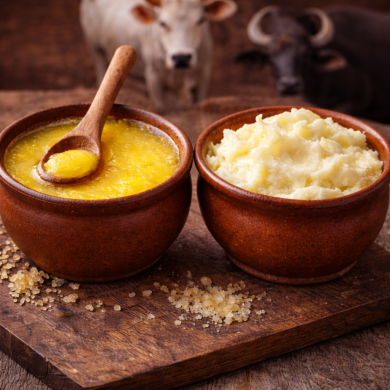
Urad dal is essential for fermented foods like idli and dosa batter, while sprouted pulses add crunch and extra nutrients to salads and chaat. Slow-cooked dals, tempered with ghee and spices, remain one of the most nourishing comfort foods in Indian cuisine.
Gramaahar’s Commitment Through Organic Pulses
By choosing Gramaahar’s organic pulses, customers support a value chain that rewards careful farming, respects soil health, and keeps traditional seed varieties alive. Each packet of dal connects an urban kitchen to a village field, turning simple daily meals into meaningful support for India’s best pulse farmers.
“Good pulses nourish the soil, the farmer, and the family—one meal at a time.”
— Gramaahar
Bring Home Pure, Organic Pulses
Choose organic, unpolished pulses sourced directly from Indian villages nutritious, flavourful, and responsibly grown.
Add comment